
“I would never go back”: forced labour risks in Brazil’s coffee supply chains
They promised a lot of things there. They promised a very high salary based on production, and first they put us to harvest bad coffee, so we couldn’t earn any money, because there wasn’t much coffee and we worked ourselves to death and got nothing. We already knew we would have to buy our own food, but we didn’t know we would have to buy blowers, machines, gloves, boots and goggles, because they don’t provide them. We had to buy those things ourselves.Coffee worker during the 2025 Minas Gerais harvest
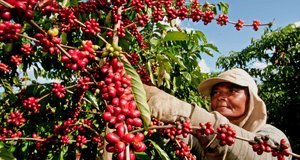
Shutterstock (licensed)
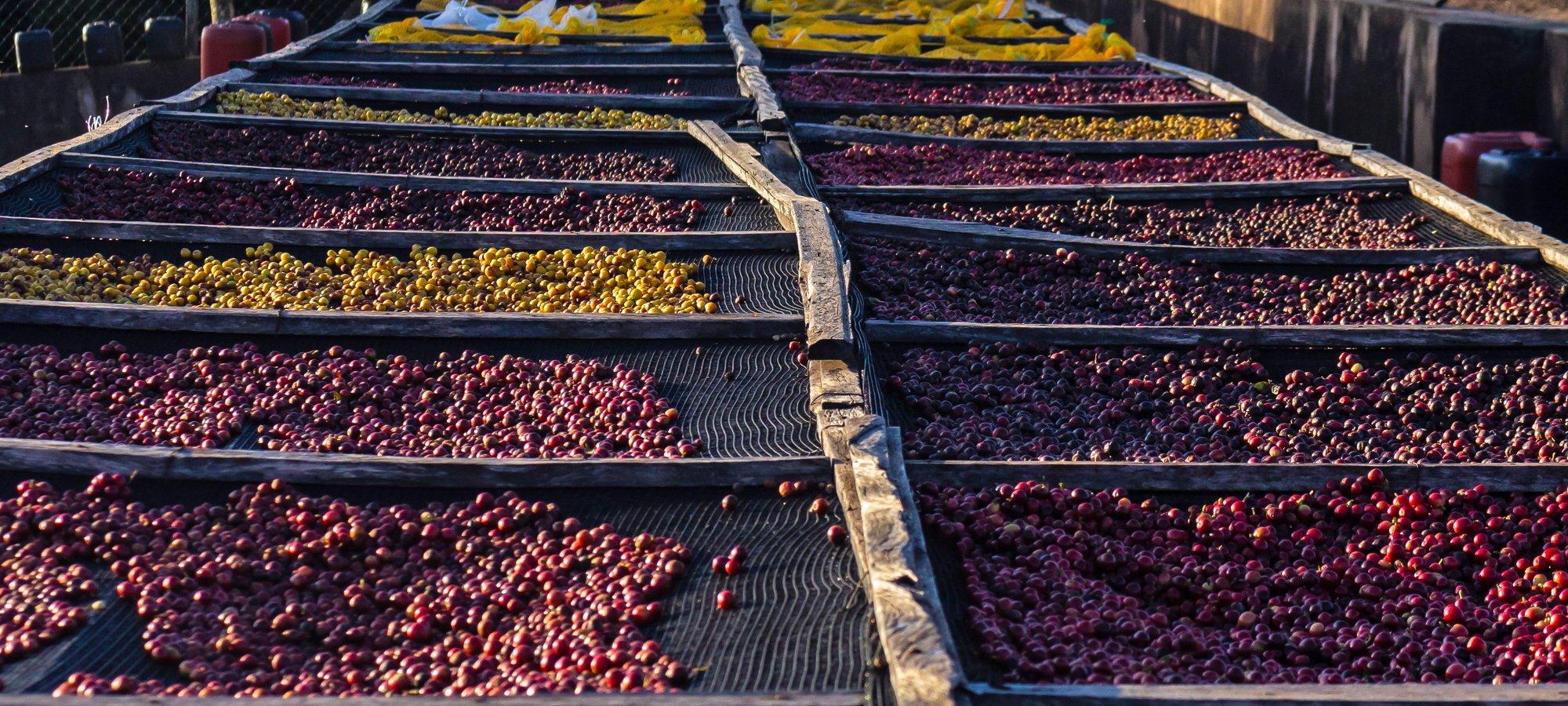
Brazil is the largest global producer and exporter of coffee, supplying one third of the world’s output to over 120 countries with 70% of exports going to the ten largest buyers, including the USA, Germany, Italy and Japan. Approximately half of Brazilian coffee originates from Minas Gerais state, including 65% of Brazil’s total Arabica output.
To understand how shortcomings in corporate efforts to address forced labour, highlighted in the 2026 KnowTheChain food and beverage benchmark, affect workers at the bottom of global supply chains, KnowTheChain partnered with Articulation of Rural Employees of the State of Minas Gerais (ADERE-MG) to investigate working conditions on Brazilian coffee plantations.
There are some co-operatives that have a list of the names – those people that have already gone to justice and have denounced their employers – and they go through this list. And those workers that have actually complained and demanded their human rights, they are no longer employed. For those who live in the farm, the housing is really poor: like the houses are painted, but inside there are gutters.Investigator from ADERE-MG

ADERE-MG

ADERE-MG
The testimony of workers interviewed by ADERE-MG bear witness to the abject failure of companies to respect the rights of their most vulnerable and hidden workforces. Interviews revealed multiple indicators of forced labour, with all 24 interviewees reporting at least one of the International Labour Organization (ILO)’s indicators, and many reporting as many as six. Among the most common were abuse of vulnerability, relating to precarious contracting and informality, and abusive working and living conditions. Deception during the recruitment process was also rife with most workers describing how they were mis-sold promises of harvest yields and quality, decent working and living conditions and the supply of equipment before arriving to find conditions markedly worse.
From the workers
Ten of the 11 ILO forced labour indicators were reported across at least nine plantations. Of 24 workers...
23
workers
reported abuse of vulnerability
23
workers
reported abusive working and living conditions
19
workers
reported excessive overtime
18
workers
experienced isolation

ADERE-MG

ADERE-MG
Find out more
2026 KnowTheChain food and beverage benchmark
Explore the benchmark findings and company ranking
KnowTheChain: Brasil
Veja todos as informações do KnowTheChain em português
Latest news on labour rights in Brazil
Find news articles, reports and company responses on labour rights issues in Brazil