Foreword: Professor Pichamon Yeophantong, UN Working Group on Business and Human Rights
Between 1 January 2025 and 31 December 2025, the Business and Human Rights Centre (BHRC) recorded 747 cases of alleged abuse of migrant workers globally in our Migrant Worker Allegations Database (the Database).
These cases spanned nearly all key sectors and all regions of the world, from Indian gig workers being threatened and assaulted in Germany, to months of wage theft of hundreds of South Asian workers at Aramco sites in Saudi Arabia, to the harassment and trafficking of migrants from almost 30 countries building weapons for the Russian military.
These violations were rooted in racial and patriarchal power structures that exacerbate global inequality: multinationals headquartered in the wealthiest nations accrued huge profit at the expense of the world’s most marginalised workers, while racialised workers and women workers were subjected to specific, severe and intersecting risks.
The technological transition and the transition to green economies is reshaping migration corridors and generating new risks across sectors and geographies. Just transitions cannot be built on migrant abuse. To the contrary, companies must embody responsible business conduct: respect migrant workers’ rights, guarantee fair negotiations with them, and ensure business models are built not on exploitation but shared prosperity.
There is no time to lose. The climate crisis, growing inequality, and escalating conflict are increasing the complexity of human rights risks for migrants. At the same time, protections are being eroded in key destination countries, including through governments’ implementation of hostile migration policies coupled with an advancing deregulation agenda and dismantling of union protections.
Companies must meet these challenges through robust human rights due diligence and timely remediation in line with international standards. While some businesses showed better practice in 2025, such as buyers like Adidas, Nike, Puma and Patagonia leading collective remediation efforts following alleged violations in their value chains, more must be done to identify, prevent, mitigate and account for abuse.
Looking ahead, there is hope for a better future in 2026 – but this future can only be realised through meaningful dialogue with migrants and systemic transformations towards a fairer and more just global economy.
Explore this webpage to read more on the daily threats to migrants’ rights in global supply chains, the risks these workers face, and how business can prevent and mitigate them.
Jump to...
Key findings
- 747 cases of migrant worker abuse were recorded in 2025.
- The majority of cases (70%) were in the Global North or in the value chains of Global North-headquartered companies (80% where company headquarters were reported). However, in most cases those impacted were migrants from the Global South (95% where origin was reported).
- 584 companies were identified in reporting, with US-headquartered firms most frequently linked to abuse by a significant margin.
- US companies were linked to cases 267 times, almost four times more frequently than the next most common company headquarters (the UK).
- Meta (12 cases), Adidas, Levi Strauss, LVMH and VF Corporation (7 each) were linked to the highest number of cases.
- The most frequently recorded abuses were violations of employment standards and occupational health and safety (OHS) violations.
- Abuse was severe, including at least 98 fatalities, and multifaceted, with workers experiencing three or more types of human rights violation concurrently in 47% of cases.
- Relative to previous years (2023 and 2024), workers who experienced abuse more frequently faced barriers accessing remedy, suggesting an environment of rising corporate impunity and retaliation for raising complaints.
- Gender and racial inequality shaped abuse, rooted in broader racial and patriarchal power structures.
- Conflict, the climate emergency and hostile migration policies increased the complexity and severity of abuses.
- Conflict, including Russia’s ongoing invasion of Ukraine, the unfolding genocide in Palestine by Israel, and civil war in Myanmar, reshaped migration corridors and generated new harms, including safety risks where worksites overlapped with conflict zones. Workers were also exposed to extreme weather events across all regions of the world without adequate protection, from excessive heat in Europe to wildfires in the USA.
- Increasingly hostile migration policies – particularly mass deportations in the USA – isolated vulnerable workers and exacerbated abuse.
- Across sectors and geographies, the enormous profits accrued from the technological revolution and the energy transition came in part at the expense of migrants’ rights.
- The growing complexity and application of AI created new risks for workers, including for migrants manufacturing advanced semiconductors, for migrant data labellers, and through the use of algorithms by digital labour platforms to manage gig workers.
- Workers experienced abuse in industries at the forefront of the energy transition, with migrants being subjected to particularly acute harms in EV value chains.
- Agri-food supply chains, construction, manufacturing, and hotels, restaurants and leisure accounted for the highest number of cases by sector.
- Risk was exacerbated by extractive business models, including practices such as excessive subcontracting, poor purchasing, and a lack of supply chain oversight by brands at the top of the value chain.
The scope and scale of migrant worker abuse is immense. Restrictions on freedoms of speech, media and unequal power dynamics mean the publicly reported cases recorded during 2025 are just the tip of the iceberg, providing a snapshot of the vulnerability of migrants around the world. The total number of cases is unquestionably higher. Further information on our methodology can be found here ➡️

“In a period of increasing repression and criminalisation of immigrants, the labour exploitation and…abuses against immigrant workers increases.”Will Lambek from Migrant Justice, as reported in The Bridge
The world order is undergoing a paradigm shift. Collective, multilateral efforts to build a more peaceful, stable and equal world are eroding, while societal fragmentation and polarisation grow. Escalating conflict, inequality and the climate emergency are driving displacement, famine and impoverishment across the world.
This volatility is reflected in the increased complexity and severity of abuses tracked by BHRC in 2025.
Conflict and the climate emergency
“I’ve been here for five or six months…I earn 100 baht (about USD 3) a day. But if I don’t pick, I don’t get paid.”– 15-year-old farmworker from Myanmar who fled to Thailand due to forced military recruitment, as reported in Mekong Eye
Throughout 2025, as conflict escalated and spilled into new geographies, migrant workers were subjected to extreme safety risks. Worksites were located in conflict zones in nine cases, including in Russia (four cases), Myanmar, Yemen (two each) and Thailand (one). For example, Filipino, Syrian and Indian seafarers were attacked and abandoned after sailing near Yemen, with workers subjected to regular bombing raids by US and British forces, and one worker dying in a Houthi attack.
Conflict also generated new push and pull factors, reshaping migration corridors:
- War created labour shortages that were filled by migrants working in abusive conditions. For example, Ugandan migrants in Israel, recruited amid labour shortages during what UN experts have deemed Israel’s genocide against Palestinians in Gaza, were subjected to forced labour. In Russia, migrants recruited to build weapons experienced conditions of human trafficking.
- In 106 cases, workers were forced to migrate from countries experiencing extreme humanitarian emergencies or a high number of deaths due to conflict, and workers explicitly reported being displaced by conflict or seeking asylum in 12 cases. Conflict-displaced workers are more vulnerable to abuse due to compounding vulnerabilities, including trauma, impoverishment and an inability to return home.
The climate crisis also exacerbated OHS risks. Workers were subjected to heat exposure (44 cases), most frequently in Saudi Arabia (11) and the USA (10), including workers returning home with chronic kidney failure and dying in the heat. Migrants were also impacted by wildfires (three cases).
Governments implemented new heat regulations amid the growing intensity and severity of heatwaves, highlighting the need for companies to be alert to these harms or face penalties. For example, Japan revised its national legislation to require employers to protect workers from the heat. See the recommendations below for how companies should adapt to these risks.
Hostile migration policies
“We really feel like we’re being hunted, we’re being hunted like animals.”Undocumented farmworker in California, USA, as reported in The Guardian
Throughout 2025, rising authoritarianism fuelled increasingly hostile migration policies and anti-migrant rhetoric, exacerbating the risk of abuse.
BHRC recorded arrests and deportations when the workers were also subjected to labour rights abuse by their employer. The proportion of these cases increased in 2025 relative to previous years (4% of the database, relative to 2% in 2024 and 1% in 2023) and were most commonly reported in the USA following the unprecedented growth in Immigration and Customs Enforcement (ICE) raids. For example, between April and July at least 80 Filipino workers were deported from Carnival-operated cruise ships at US ports without due process, with some workers alleging they were ‘abandoned’ by the company. Further, in September, almost 500 migrants were detained at a Hyundai-LG EV plant in the US state of Georgia – migrants at the plant had allegedly been subjected to years of labour rights abuse.
Globally, workers became more isolated and feared leaving worksites due to the risk of arrest, while firms were emboldened to abandon decent working conditions. In eight cases, workers were detained or deported after protesting abuse. This highlights the need for firewalls between labour inspectorate and immigration enforcement, ensuring a victim-centred approach regardless of workers’ migration status.
Some companies and investors publicly raised concerns about these policies. For example, in March nearly 100 institutional investors released a statement outlining the adverse human rights impacts of mass deportations in the US, and calling for legal paths to citizenship for undocumented workers. However, most companies remained silent in the face of these shifts, despite relying heavily on and profiting from the labour of undocumented workforces. See the recommendations below for how companies should respond to this escalating hostility.
Alongside mass deportations, the continued use and expansion of temporary labour migration schemes exacerbated the risk of abuse, including the USA’s H-2A programme, Australia’s PALM scheme and the UK’s Seasonal Worker Visa scheme. Temporary labour migration programmes structurally discriminate against migrants, including denying them the freedom to change jobs due to employer-tied visas. In 21 cases, workers reported being unable to easily leave abusive employers due to this.
“The employers, small ones, but also the big ones, they can afford to let an undocumented migrant worker die […] An employer can really calculate how many workers he can let die during the work process and continue to make a profit.”Founder of Istanbul-based NGO, as reported in Middle East Research and Information Project
Top perpetrators of abuse
Nearly 600 (584) companies were named in the database, ranging from small contractors and labour suppliers to major multinational buyers and clients. Meta (12 cases), adidas, Levi Strauss, LVMH and VF Corporation (7 each) were linked to the highest number of cases. Companies remained unidentified in 56% of cases, partly because workers feared naming their employer amid the risk of retaliation.
Dominance of US-headquartered firms
US-headquartered companies were most frequently linked to abuse by a significant margin (267 times, almost four times more frequently than the next most common company headquarters, the UK). This highlights the dominance of US multinationals at the top of global supply chains: US companies account for around 65% of the total market capital of the world’s top 100 firms.
Despite the frequency with which US companies were linked to abuse, many nevertheless maintained their human rights policy commitments, pointing to an alarming gap between policy and practice.
US companies, investors and their business partners must see this as a wake-up call and meet the moment by doubling down on the implementation of their commitments, and by defending the institutions and initiatives that support responsible business. Read more about US companies in today’s global context in BHRC’s US Corporate Human Rights Index.
Investors
Investors were linked to 21 cases due to violations at investee firms, including private equity investors (11 cases), asset managers (five), sovereign wealth funds (three), real estate investment trusts, and investment holding companies (one each). This is likely a significant undercount as investors were rarely named in reporting. For example, publicly listed multinationals were linked to 112 cases, and these are widely held across investor portfolios.
Reputational, legal and operational impacts to portfolio companies resulting from migrant worker abuse can pose severe implications for investors’ shareholders. As with previous years (see BHRC’s investor brief for 2024), in 2025 abuse often resulted in lawsuits (62 cases), fines (26 cases) and work stoppages due to strikes or protests (32 cases). For example, workers took legal action against major multinationals such as Wolt, Bumble Bee Foods and JBS, and companies were issued fines of over USD731,000.
In some cases, investors were in close contact with investee firms; and some investors made public calls for action. However, investors must do more to tackle these risks. Civil society organisations highlighted the failure of major investors to address core risks to migrant workers or to disclose how they do so; and often investors remained publicly silent when invited by BHRC to respond to violations in their value chains.
Top human rights risks
Workers most commonly reported violations of employment standards and OHS violations. Abuse was often severe, including 74 cases leading to the deaths of 98 workers.
In 47% of cases, workers experienced three or more categories of human rights violation concurrently. This highlights the multifaceted nature of abuse and the need for due diligence to address intersecting issues holistically.
Concerningly, 2025 saw workers reporting barriers accessing remedy more frequently than in previous years (27% of cases, relative to 23% in 2024 and 15% in 2023). This suggests an environment of rising corporate impunity and retaliation, including companies dismissing workers who protested abuse; companies deliberately concealing abuses from authorities and harassing workers who filed complaints; and companies physically and verbally threatening workers who raised concerns.
This left workers isolated and trapped in abusive conditions: in four cases, workers considered, attempted or died by suicide after struggling to access remedy, including after having their complaints consistently ignored.
“We tell the supervisors, and they say, ‘If you don’t like it, there are many others who want your job.’”Migrant farmworker in the USA, as reported in Capital and Main
Cross-sectoral themes
While migrant workers most frequently experienced abuse in agri-food supply chains, construction, manufacturing, and hotels, restaurants and leisure (see below), across all sectors, shifts in the global economy from the technological and energy transitions created variegated new harms. Abuses were also shaped by workers’ social identities, with racialised, Indigenous, women and gender diverse workers experiencing overlapping disadvantages and specific forms of abuse. Explore the boxes below to learn more about these cross-sectoral themes.
Migrant rights in the energy transition
Migrant rights in the energy transition
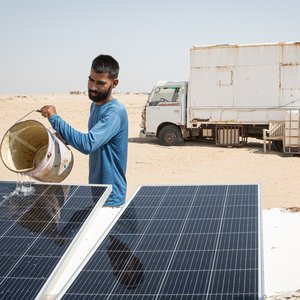
The green economy is expected to surpass USD7 trillion in annual value by 2030, and migrants are central to this transition. These workers are increasingly filling labour shortages in new green jobs worldwide, from critical mineral production to recycling and recommerce.
But data from 2025 suggests these green transitions are still being at least partially built on exploitative practices – even as better practices are emerging elsewhere in the supply chain. Twenty-three cases of migrant abuse were recorded in industries at the forefront of the transition, including in transition mineral production (seven cases), EV supply chains (six), ‘sustainable’ urban development , recycling and recommerce (three each), renewable and low-carbon energy (two), ecotourism, and low-carbon cement kiln construction (one each).
Trends in abuse
Cases in the green economy were disproportionately linked to excessive production targets (19% of cases, relative to 7% in the global database) and unreasonable working hours (29% of cases, relative to 21% globally). Safety violations were also common (52% of cases, relative to 25% across the database). This suggests speed may be prioritised over safety amid a rush to gain government green incentives and meet ambitious decarbonisation targets.
Chinese-headquartered firms were linked to over a third (36%) of cases where companies were named, including in transition mineral production in Indonesia (where China controls 75% of nickel refining capacity), the construction of a low-carbon kiln in France, and a solar plant in Bosnia and Herzegovina. Given the dominance of Chinese companies in the green transition, these firms – and companies with business connections to them - must do more to ensure protection for their migrant workforces.
Key green industries linked to abuse
Transition mineral mining
Migrant workers, mostly from China, were subjected to violations producing nickel (five cases), alumina and cobalt (one each) – critical components of EV batteries and other green technologies. Five of these cases took place in industrial parks in Indonesia, including Jinjiang Alumina Integrated Industrial Park, Indonesia Weda Bay Industrial Park, and Indonesia Morowali Industrial Park.
Indonesia has the world’s largest nickel reserves and is expanding its output to meet growing demand. It has granted industrial parks accelerated regulatory approval, tax incentives, and protection from the police and military. Cases in these parks were particularly severe amid alleged poor labour rights enforcement and the prioritisation of economic growth over safety. In one case, hundreds of Chinese workers reportedly laboured for six months without rest days and were barred from leaving the park without permission.
Alongside migrant rights violations, these parks have also been linked to pollution and violations of Indigenous Peoples’ land rights, highlighting shared risks for both migrant and local communities. Yet companies in the parks have been accused of utilising ethnic frictions that divide locals and migrants, preventing solidarity and collective protest.
Electric vehicle manufacturing
Migrant workers at EV manufacturing sites were subjected to abuse (four cases, all in the USA), including at a in Hyundai plant in Alabama, a Tesla plant in Texas, and a Hyundai-LG Solutions plant in Georgia. Occupational health and safety violations were reported across these cases, including workers being crushed by falling loads, dying after falling due to a severed safety line, and fainting from heatstroke.
Beyond manufacturing, workers also reported abuse producing chips for Tesla in Taiwan. Tesla was also accused of directly hiring migrant workers for lower pay than domestic workers to perform the same job.
Renewable and low-carbon energy production
Fourteen cases were reported in the energy sector, including two cases linked to renewable or low-carbon energy, and five cases linked to the construction of transmission cables.
Renewable and low-carbon projects risk replicating exploitative labour practices in the fossil fuel industry, rather than ending abuse by providing decent, green jobs. This echoes findings from BHRC’s 2025 report on renewable projects in Saudi Arabia, which found severe rights violations impacting migrants across six solar and green hydrogen projects in the supply chains of major multinationals.
Technology and migrant worker abuse
Technology and migrant worker abuse
“I was dealing with inappropriate content day in and day out, eight hours a day. I lost around 15 kilos in six to eight months…I felt more depressed, and sometimes I would catch myself drifting off …thinking of videos I had seen.” – Migrant content moderator for Facebook and Instagram in Colombia, as reported by Equidem
Throughout 2025, technological frontiers underwent rapid innovation, from striking advancements in AI to the rise of robotics and automation. Tech firms reaped huge profits in this fast-moving landscape: in 2025, the top ten founders and bosses of the world’s largest technology companies saw their net worth increase to USD2.5trillion.
Yet beneath the futuristic veneer of technological progress lies a concerning trend of migrant abuse. In 2025, 64 cases were linked to technology companies specialising in hardware and equipment, software and services, social media and semiconductors.
Electronics manufacturing
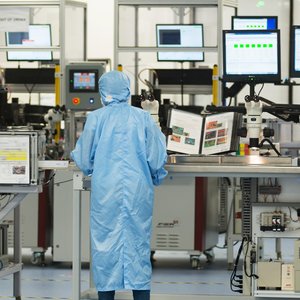
Sixteen cases were recorded in electronics manufacturing, most commonly advanced semiconductors and AI servers (five cases) and consumer electronics and home appliances (four). Workers frequently reported intimidation (seven cases) and recruitment fee-charging (six), including payments of up to USD6,600 for jobs.
Almost all electronics cases were in Taiwan (13 cases), a leading electronics exporter and the world’s dominant source of advanced semiconductors. Filipinos manufacturing chips and servers used to power AI and electric vehicles, including for Apple, Tesla and Nvidia, were most often impacted (five cases), including being subjected to 12-hour shifts, bullying, and dismissal for raising complaints.
In light of clear evidence of abuse, companies should do more to address these harms. The 2025 KnowTheChain ICT Benchmark, which assessed how ICT companies address forced labour risks, found a gap between policy and practice left workers dangerously exposed. In particular, while almost all (96%) benchmarked companies prohibited recruitment fee charging in their supply chains, only 13% disclosed steps taken to implement the policy.
Digital labour platforms
“We are vulnerable to being attacked ...We are invisible and exposed at the same time.” – Pakistani delivery rider in the UK, as reported in The Guardian
Digital labour platforms have grown significantly in recent years and are spreading into new sectors. These platforms often rely on a workforce of independent contractors excluded from basic labour protections. Developments in AI have also enabled platforms to use algorithms to set wages, allocate jobs and deactivate workers, creating an information asymmetry between workers and platforms and worsening conditions.
In 2025, 12 cases impacted migrants working for digital platforms, most commonly food delivery platforms (9) such as Uber Eats and Wolt (two cases each). All cases took place in the Global North (over 75% in Europe) yet impacted Global South workers, highlighting how abuse in the gig economy risks exacerbating global inequality by pushing (often racialised) workers from marginalised countries into precarious employment, while the wealthiest nations siphon profits.
Occupational health and safety violations, wage theft (four cases each) and poverty wages (three) were most frequently reported, ranging from wages as low as EUR7 an hour for an Indian Uber Eats worker in Berlin, to a migrant worker in the UK who worked 12-hour days yet was unable to earn enough to support his family. This impoverishment contrasted with the huge profits made by digital platform companies: in April, for example, Uber’s market capitalisation was USD169.41 billion.
Social media companies
In 19 cases, social media platforms were used to recruit workers into exploitative jobs, functioning as proxy recruitment sites and thus enabling abuse. For example, in one egregious case, workers were recruited via social media to manufacture drones in Russia under false promises about the nature of their work. Upon arrival, the workers were allegedly subjected to racism, harassment and conditions of human trafficking.
In two cases, workers were recruited via social media into online scam operations run by transnational criminal organisations, where workers were beaten and prevented from leaving. Social media firms must be alert to this risk as scam centres spill into new jurisdictions, increasing demand for multi-lingual workforces.
All cases where origin was reported impacted workers from the Global South, and some cases specifically targeted women. Social media firms may become complicit if platform algorithms push exploitative recruitment content towards at-risk and racialised demographics.
Social media – alongside AI –- companies were also linked to the abuse of subcontracted migrant content moderators and data labellers (eight cases), who review user-generated content to ensure it complies with platforms’ guidelines and annotate raw data to train AI. While documented in previous years, 2025 saw the expansion of these abuses into new jurisdictions amid surging demand for local language moderation.
These workers experienced psychological distress (five cases) due to ‘constant exposure’ to traumatic content without the required health protections. This included videos of people being tortured to death and child sexual exploitation. Workers also commonly reported intimidation (six) and excessive production targets (five).

Gender and racial injustice
Gender and racial injustice
Throughout 2025, gender and racial injustices shaped abuse across supply chains, rooted in broader racist and patriarchal power structures, reproducing social hierarchies and deepening inequality.
Racial, ethnic, caste and origin discrimination
“Racism is there in many forms. It’s a way of speaking, of insulting - especially from bosses toward foreigners” – Migrant worker from Cape Verde working in France, as reported by Amnesty International (translated from French)
While most abuse was in the Global North, 95% of cases where workers’ origin was known impacted Global South workers (as per the FCSSC’s definition, including Mexico, Tuvalu and Türkiye).
Fifty-three cases of racial, ethnic, caste or origin discrimination were reported, impacting Global South workers in all cases where origin was known. Discrimination spanned unequal wages (11 cases) and work conditions (14), verbal abuse (20) and violence (three), including one case where workers were forbidden to speak their own language and another where a Nigerian healthcare worker in London requested a washing machine repair, only for her employer to question whether such appliances were used in her country.
Global South workers were also more frequently impacted by recruitment fee charging (21% of cases) than workers from the Global North (7%), which left them in debt in at least 18 cases. Endemic fee-charging targeting Global South workers curtails the potential for migration to alleviate poverty by reducing remittances. Global South workers were also more likely to be subjected to restricted freedom of movement, including due to the use of tied-visa schemes targeting global south workers which restricts their ability to change jobs, and the retention of identity documents (21% of cases relative to 11% for Global North workers).
While cases impacting Indigenous workers were likely underreported – including due to fear of reprisals, structural biases and a lack of representation in newsrooms - Indigenous workers were subjected to severe violations in three cases. In one case, Guatemalan Mayan Q’eqchí farmworkers in Mexico were unable to communicate with supervisors who only spoke Spanish. One worker did not know why his pay was withheld or even where he was.
Gender discrimination and intersecting risks
“I left the farm I was working for after a supervisor grabbed me. He had used sexist and abusive language towards me before, but I was afraid to lose my job if I said something. After he grabbed me, I knew I had to leave.” – Guatemalan farmworker in Canada, as reported by UFCW
Women and gender-diverse migrants experienced specific harms, as migration compounded vulnerabilities linked to gender-based discrimination, along with racism, religious marginalisation and other inequalities. These intersecting injustices created layered forms of abuse.
Women were impacted in 150 cases. Most (95% where origin country was known) impacted women from the Global South, most commonly working in the Global North.
Women most frequently experienced abuse in agriculture (30 cases), cleaning and maintenance (26), hotels, restaurants and leisure (23) and health and social care (20), with cleaning and healthcare accounting for a disproportionately high number of women workers relative to men.
This highlights how women are often pressed into traditional gender roles, such as cleaning and care, entrenching gender inequalities. In two cases, women worked in these roles despite being promised different jobs: a Pacific Island worker in Australia was required to cook and clean rather than undertake technical skilled work, and a Mexican worker in the USA was recruited as a farmworker but instead tasked with cooking.
Women were subjected to reproductive rights violations, including pregnancy discrimination (eight cases). They had to work through menstrual pain and perform heavy labour during pregnancy (three), and were penalised after becoming pregnant by being assigned heavier tasks or dismissed. In one severe case, multinational food processing firm BRF allegedly denied an eight-months pregnant Venezuelan worker permission to leave the worksite when she went into labour. The worker gave birth to her twins near a bus stop outside the meatpacking plant in Brazil, and both babies died.
Women workers also reported sexual harassment (13 cases) and rape and sexual abuse (five), with some coerced through threats of deportation. In four cases when rejecting or reporting these abuses, they faced retaliation, including a defamation lawsuit, compounding the traumatic experience.
Gender diverse migrants also experienced exploitation for not conforming to traditional gender norms. In Mexico, an Indigenous transgender migrant worker from Guatemala reported that being a trans woman “makes everything more difficult”, enduring targeted abuse because of her gender identity.
Agri-food supply chains
Agri-food supply chains accounted for the highest number of cases in the database in 2025. Explore the boxes and graphs below to see key trends, case studies and points of intervention.

Trends in human rights violations
Trends in human rights violations
Agriculture
“After he collapsed, the company where he had been picking fruit refused to call an ambulance or to take him to the hospital as he was employed illegally without a work permit.” – Trade union officer describing conditions on a Spanish farm, as reported in Jacobin
Agriculture cases were most commonly reported in the USA (31 cases), Canada (20) and the UK (18), mostly impacting workers from Mexico (16 cases), the Philippines (nine), Morrocco, Nepal and Guatemala (seven each).
These workers most frequently experienced abuse picking fruit and vegetables (29 cases) and farming livestock (13), including in the supply chains of multinational supermarkets such as Costco, Walmart and Hannaford, and major restaurant chains such as McDonald’s.
Wage theft was the most frequently recorded abuse (57 cases), including salary deductions for debt repayments; contracts that declared fewer hours than those worked; and payments below minimum wage. In one severe case, twenty-eight PALM scheme workers in Australia took their employer to court for underpayments of around USD450,000. In some cases, workers were unable to afford food or shelter, with cascading impacts on families back home relying on remittances for survival.
OHS violations were also frequently reported (46 cases), most commonly exposure to extreme heat (13) and harmful chemicals (12).
Poor living conditions (42 cases) were also a particular risk for farmworkers (28% of cases relative to 15% across the database), such as Mexican mushroom harvesters in Canada living eight to a room without locks or toilets; and Filipino, South African and Kosovan workers living in trailers infested with mice and cockroaches in the USA.
Fishing
Twenty-nine cases impacted fishers, most frequently from Indonesia (13) and North Korea (eight) working on Chinese (14 cases), South Korean (four) and Taiwanese (four) vessels – including nine cases of vessels supplying to multinational retailers. The employment of North Korean workers breaches UN sanctions and is alarming amid the institutionalised use of forced labour and labour export to raise funds for the state.
Fishers were most frequently subjected to restricted freedom of movement (15 cases) and barriers accessing remedy (ten), including one case of workers remaining on vessels for up to seven years without going to port, and another case of a captain refusing to return to port after a fisher’s hand was crushed.
Physical violence was also more common relative to other sectors (14% of cases relative to 7% across the database), which is particularly concerning given workers’ inability to leave vessels or access remedy.
Processing and packaging
Fifty-three cases were linked to processing and packaging, most frequently in Australia (14) and the USA (nine). A broad range of nationalities were impacted, mostly from the Global South (24 nationalities, 88% from the Global South).
Occupational health and safety violations were the most reported abuse (23 cases) and were recorded more frequently than in other sectors (43% of cases relative to 25% across the database). Most commonly, workers reported injuries – including losing limbs and breaking bones – from operating machines on the production line (eight cases); and in eight cases workers emphasised a lack of training or protective equipment. In two cases, workers died after falling into industrial meat grinders.
Wage theft was also commonly reported (19 cases), alongside unreasonable working hours (15), ranging from 13-hour days for an Egyptian baker in Saudi Arabia, to 14-hour workdays and seven-day weeks for migrants in Singapore.
Against a backdrop of OHS violations and other abuses, these workers also more frequently reported racial, ethnic, caste or origin discrimination (17% of cases, relative to 7% across the database), such as a Moroccan worker at JBS in the USA who alleged her locker was vandalised and prayer beads thrown away.
Distribution and the shop floor
Nine cases were reported in distribution and retail, including three cases impacting warehouse workers and six impacting supermarket security or shop floor workers.
Across these cases, workers reported a high rate of wage theft (six cases), including one case where a supermarket employer subjected 26 Bangladeshi workers to wage theft, violence and intimidation, leaving them with thoughts of self-harm.

Structural risks: supermarket spotlight
Structural risks: supermarket spotlight
Supermarkets exert huge influence across the value chain. High market concentration gives them enormous buying power, and supplier requirements have substantial adverse human rights impacts.
Fourteen supermarkets were identified as sourcing produce made under allegedly exploitative conditions in 19 cases, with UK-headquartered supermarkets most frequently linked (17 times). This is likely a significant undercount due to low supply chain transparency, with buyers only named in 10% of cases.
Low transparency and poor supermarket oversight made it harder to hold companies to account. For example, after migrants who reported working on Spanish farms supplying to UK supermarkets were subjected to poor living conditions, UK supermarkets allegedly said they had not seen evidence the workers were in their supply chain and so failed to investigate. The companies allegedly did not ask suppliers where their workers lived or visit worker settlements.
A concentrated buyers’ market enabled large retailers to dictate purchasing practices that exacerbated the risk of abuse. For example, an investigation into the abuse of migrant fishers highlighted how low retail prices pushed vessels to rely on low-wage workers labouring in poor conditions.
Supermarkets have the leverage to effect change. The five supermarkets linked to the highest number of cases (Ahold Delhaize (through its subsidiary Hannaford), Sainsbury’s, Morrisons, Tesco and John Lewis Partnership (through its subsidiary Waitrose) collectively made pre-tax profits of around GBP7 billion in 2024. This contrasts sharply with the impoverishment of migrants at the bottom of the value chain, including 25 cases of poverty wages and payments below the minimum wage.

Case study: OECD complaint against Ahold Delhaize
Case study: OECD complaint against Ahold Delhaize
In 2025, eight cases of abuse impacted migrant dairy farmers, mostly in the USA (seven cases), where migrants represent around half of dairy farm labour and where the sector is linked to a high risk of forced labour relative to other types of farming.
OECD complaint against Ahold Delhaize
“…The supervisor [came] into our room…He was carrying a machete and started to threaten us.... I decided to call the police. … [The Boss] fired us and asked us to leave the house first thing in the morning.” – Worker on farm supplying to Hannaford, reported by Migrant Justice
In April, civil society organisation Migrant Justice filed an OECD complaint against Ahold Delhaize (owner of Hannaford). The complaint alleged migrant dairy farmworkers processed milk in abusive conditions that was sold under Hannaford’s label.
Migrant Justice argued Ahold Delhaize was aware of – but did not adequately act on – the abuses and therefore failed to meet its due diligence obligations under the OECD Guidelines. For example, Migrant Justice alleged the company’s auditing process was inadequate, including mandating suppliers implement an evaluation tool wherein human right standards were presented as voluntary with no penalty for failing to adopt best practice.
Migrant Justice also found the company’s grievance mechanisms were ineffective in addressing the risks workers faced, including through limited accessibility and a lack of impartiality. Workers who submitted responses allegedly received no concrete replies or investigations.
Migrant Justice called on Ahold Delhaize to join the Milk with Dignity programme, a worker-driven social responsibility programme wherein participating farms commit to labour rights standards and independent oversight, and to improve its due diligence and remedy the abuses.
In May, BHRC invited Ahold Delhaize to respond to the complaint. In its response, the company said it conducts ‘thorough due diligence reviews” through third-party audits and on-farm assessments, and found “no credible information indicating violations of legal standards”. In a rejoinder in June, Migrant Justice said these assessments were not designed to ensure supplier compliance, and said farmworkers had seen no evidence of third-party audits occurring or changes resulting from audits.
“If you could see it, the bathroom is so dirty that worms come out of it…Here, bananas are worth more than we are.”Transgender Indigenous worker from Guatemala in Mexico, as reported by El País
Throughout 2025, migrants planted, picked and packed food across the globe, keeping supermarket shelves stocked, filling labour shortages and maintaining food security for populations worldwide. Yet these essential workers were also subjected to unacceptable working conditions.
Agri-food supply chains accounted for the highest number of cases relative to other sectors (237 cases; 32% of the database). The majority (179 cases) impacted workers in agriculture and fishing; 53 cases were recorded in food processing and packing, and nine cases impacted workers in food distribution and on the shop floor.
Recommendations for agri-food companies
BHRC’s core recommendations to companies across all sectors can be read in full below. Many of the findings relating to agri-food supply chains may be directly addressed through these recommendations, but the tracked cases also specifically highlight:
- The need for companies to improve value chain transparency and oversight, including by publicly disclosing suppliers, creating grievance mechanisms that are accessible to workers across the value chain and are in line with best practice, and investigating abuses when concerns are raised.
- The need for supermarkets to invest time and resources into reviewing and improving purchasing practices in line with international standards, particularly regarding downward pressures on prices where risks are passed onto workers.
Construction and engineering
We recorded 121 cases of alleged abuse in construction and engineering in 2025 – 16% of the total cases in the database. Explore the boxes and graphs below to see key trends, case studies and points of intervention.

Trends in human rights violations
Trends in human rights violations
“Because of the heat, workers often faint. It’s so unbearable that some collapse while working.” – Nepali worker in Saudi Arabia, as reported by Amnesty International.
Cases of construction worker abuse were most frequently recorded in Saudi Arabia (21 cases), the USA (17) and France (10 each), mostly impacting workers from Bangladesh (17), India (13) and China (11).
The high number of cases in Saudi Arabia reflect a building boom fuelled by the 2034 FIFA Men’s World Cup. These workers experienced up to nine months' wage theft, lived in extremely poor conditions without adequate food or water, and were detained for protesting abuses. The severity of abuse in the country is reflected in the high number of fatalities (13 cases, accounting for 39% of all construction-linked fatality cases worldwide).
Globally, construction workers mostly reported abuse building urban development projects (15 cases); energy infrastructure (9); transport infrastructure (five); shipyards (four); and EV plants and sports stadiums (three each).
Occupational health and safety violations were the most frequently recorded issue (50 cases) and were more common relative to other sectors (41% relative to 25% across the database). Workers mostly experienced heat exposure (12 cases) and falls (six). In 33 cases, workers died, such as the deaths of three migrants in an under-construction hotel collapse in Spain.
While OHS violations show the hazardous nature of construction work, they also convey an alarming picture of corporate negligence: in eight cases, workers reportedly received a lack of safety training or equipment, including a migrant in South Korea painting ships on seven metre platforms without a harness, and a Bangladeshi worker in Saudi Arabia who was decapitated after using a machine he was not trained to operate.
Wage theft was also a significant issue (44 cases), and, in over a third of cases, workers reported barriers accessing remedy – a significant increase in comparison to 2024 (14 percentage point increase). This included 12 cases of retaliation after workers protested, including threats of arrest, violence and dismissal.

Structural risks
Structural risks
The construction industry is sensitive to the broader economy, including changes in real estate markets and interest rates, creating cycles of boom and bust. This has led to a reliance on temporary migrant workers and the proliferation of subcontractors employing them at the bottom of supply chains, with dominance by a small number of multinationals at the top. This structure created particular harms:
- Workers were employed by subcontractors in at least 21 cases, including at least 12 cases where two or more subcontractors were working on a project. Subcontracting made it harder to hold companies to account, obscuring responsibility for abuse. For example, in one case, union officials alleged the exploitation of migrants renovating FC Barcelona’s Spotify Camp Nou stadium was exacerbated by the multi-layered use of subcontractors, which made oversight difficult and allowed responsibility to shift across the supply chain.
- Poor procurement practices by clients drove down working conditions, including the use of pay-when-paid policies. For example, in November, a subcontractor instructed its migrant workforce to protest outstanding wages after alleging its client failed to pay. In six cases, contractors filed for bankruptcy, ceased operations, or faced financial difficulties, leaving their migrant workforce unpaid.
- A demand for temporary labour and poor procurement practices exacerbated the precarity and informality of jobs on construction sites. In at least 11 cases, workers were denied formal contracts, undertook work not stipulated in their contracts, or were deployed irregularly.
- Opaque employment practices made it harder for workers to raise complaints. In five cases, workers were transferred between different contractors or received pay checks from several different firms and contracts signed by unknown individuals.
Case study: worker deaths in Bangkok high rise collapse
Case study: worker deaths in Bangkok high rise collapse
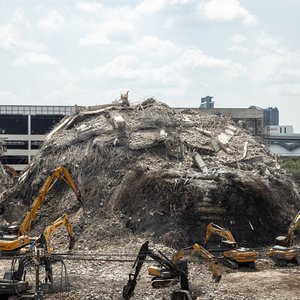
In March, a 32-story under-construction high-rise collapsed in Bangkok following a 7.7 magnitude earthquake. At least 95 people died, many of them migrant workers from Myanmar.
"When the collapse happened, we do not know whether our people are dead or alive or in which hospital they are admitted to… We have put our life on the line and shed blood and sweat to work." – Myanmar worker whose brother was working at the site at the time of the collapse, as reported in ABC News.
The building was being constructed by China Railway Number 10 (part of CREC) and the Thai firm, Italian-Thai Development. It was the only one to fall in Bangkok, and contractors allegedly used substandard steel bars. The project was behind schedule, and site visits during construction had raised concerns about corner-cutting.
After the incident, the Thai government announced compensation for victims’ families. However, some Myanmar workers struggled to access remedy. Following the collapse, the Chinese government allegedly censored references to the incident, and China Railway Number 10 deleted posts about the project from its social media account.
Chinese construction companies and the Belt and Road Initiative (BRI)
The project developer, CREC, has been central to China’s BRI - a trillion-dollar infrastructure and foreign policy initiative that has grown China’s influence abroad – and the high-rise was used by the company to showcase its work in Thailand and expand its business there.
The BRI has been linked to rights abuses, environmental harms, corruption and substantial debt exposure for over 40 low- and middle-income countries. While there are some positive developments connected to growing Chinese overseas investment, this case highlights the significant risks migrants face on these projects, catalysed by an environment of negligence and censorship.
Chinese-headquartered companies were linked to construction abuses 14 times in 2025 (most frequently in the Global South, including two cases explicitly linked to the BRI) and were the most frequently linked company-headquarter in construction. As China’s overseas investments grow, Chinese companies – and multinationals doing business with them – must ensure the rights of migrant workers are respected.
Migrants are a key workforce for the construction industry, with demand for these workers growing amid rapid urbanisation, state infrastructure spending and increasing resource extraction.
Yet behind the construction of glamorous urban development projects, billion-dollar metro systems and the world’s largest football stadiums lies an alarming trend of abuse. In 2025, 121 cases were recorded in the construction industry, accounting for 16% of the database.
Recommendations for construction companies
BHRC’s core recommendations to companies across all sectors can be read in full below. Many of the findings relating to construction may be directly addressed through these recommendations, but the tracked cases also specifically highlight the need for:
- Accurate project timeline forecasting, and the need to ringfence wages, remediation and compensation to protect workers from the fallout when companies are liquidated or declared bankruptcy.
- A commitment to ringfence the costs of labour rights standards and initiatives into tendering documents to ensure that they are accounted for in bids, including proper investments in fair wages and recruitment costs.
Manufacturing
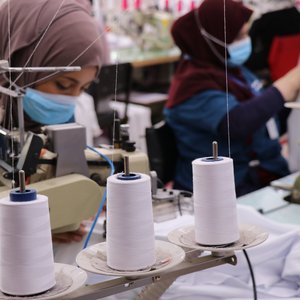
We recorded 80 cases of abuse in manufacturing in 2025, accounting for 11% of the database. Explore the boxes and graphs below to see key trends, case studies and points of intervention.
Trends in human rights abuses
Trends in human rights abuses
“We feel caged. We haven’t been allowed out at all the past two months. And we weren’t allowed out at all for months in mid-2021.” – Vietnamese migrant working in Taiwan, as reported by journalist Peter Bengtsen
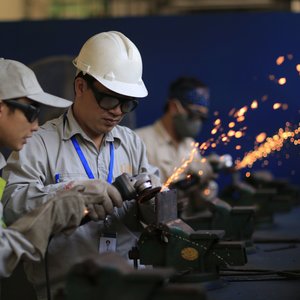
Forty-three percent of the manufacturing cases were in Taiwan (34 cases), particularly in electronics production (14 cases – see more above). Migrants also commonly experienced abuse in South Korea (ten cases), Malaysia, and Italy (eight each), mostly impacting workers from the Philippines (16), Vietnam (12) and Bangladesh (ten). These destination countries position themselves as important manufacturing hubs – particularly for electronics (Taiwan), auto parts (South Korea and Malaysia) and luxury garment brands (Italy).
The cases evidence a high level of intraregional migration and globalised supply chains, with workers often migrating from lower- to higher-income countries within Asia, and almost all buyers headquartered in the Global North (98% of buyers, predominantly US and European companies).
Migrants mostly experienced violations in electronics manufacturing (16 cases) and apparel and textile production (22 cases), although cases were also reported in factories making goods as varied as metals and plastics (six), bicycles (five), medical supplies (five) and auto parts (four).
Workers most commonly reported intimidation (26 cases), which was disproportionately high relative to the wider database (33% of cases relative to 23%), including threats, verbal abuse and punitive treatment, such as asylum seekers in Malta being electronically surveilled on the production line and dismissed if a product falls.
Despite raising complaints, workers reported significant barriers accessing remedy (24 cases), including a failure to address complaints and retaliation for reporting abuse. For example, a Myanmar worker in a Thai factory was forced to lie about working conditions during audits; and a Chinese garment worker was beaten by his employer in Italy for asking for EUR10,000 unpaid wages.
In this context, buyers at the top of the value chain must maintain independent grievance mechanisms for supply chain workers. However, as found by KnowTheChain, while many top brands publicly disclose having a grievance mechanisms (56% in ICT and 60% in apparel and footwear), they rarely evidence how the mechanism is communicated or used by workers, highlighting a gulf between policy and practical implementation.
Recruitment fee-charging was also a significant issue in manufacturing (25 cases), with workers charged up to USD6,000 for jobs, increasing the risk of debt bondage and forced labour.
Structural risks
Structural risks
A drive to cut costs, maximise profit and meet consumer demand for cheap, fast products has led to poor purchasing practices and multi-tier, outsourced supply chains, with deleterious human rights impacts for migrants in factories across the world:
- Throughout 2025, buyers set low prices and short lead times for products, squeezing suppliers and putting pressure on working conditions. For example, a contractor of Valentino Bags in Italy whose migrant workforce slept in the factory to maintain 24-hour production was allegedly producing 4,000 bags monthly for up to EUR75 per bag, which were then sold by Valentino as much as EUR2,200. The company allegedly was aware of subcontracting but ‘turned a blind eye’ given its high order volumes.
- In eight cases, buyers cut sourcing relationships after abuses were reported. For example, after the civil society organisation Transparentem found migrant abuse at the textile firm Everest in Taiwan, two buyers – Brooks Brothers and TSI (a licence of New Balance) - allegedly chose not to participate in remediation efforts but instead ended their sourcing relationship with the company. ‘Cutting and running’ reduces buyers’ leverage over suppliers, jeopardising the remediation process and putting workers at risk of further harm.
- Subcontracting with minimal buyer oversight diluted accountability and exacerbated the risk of abuse. For example, migrant workers were allegedly subjected to abuse at subcontractors of the fashion firm Tod’s in Italy; prosecutors alleged Tod’s was complicit in the exploitation as third-party audits flagged problems but these issues were ignored.
- Labour suppliers were often used to recruit temporary workers. Migrants were employed by labour suppliers in at least 12 cases, and these brokers exerted significant control over migrants’ living and working conditions, including confiscating workers’ passports, charging extortionate funds for accommodation, and refusing to help workers change job.

Case study: alleged forced repatriations at glove factory
Case study: alleged forced repatriations at glove factory
Throughout 2025, manufacturing cases were defined by a widespread culture of fear and retaliation for raising complaints. This was a particular issue for Bangladeshi migrants in Malaysia’s manufacturing sector (seven cases), where barriers accessing remedy, alongside arbitrary arrests, deportations and involuntary repatriations, were the most reported violations.
Barriers accessing remedy for Mediceram workers
In March, it was reported that glove manufacturer Mediceram – which supplied to multinationals Ansell, Qube, Top Glove and YTY – confiscated workers’ passports, and subjected them to poor living conditions and years of irregular wages.
Workers who protested these violations were allegedly dismissed and involuntarily repatriated. In September, a complaint was lodged with Australia’s National Contact Point for Responsible Business Conduct which outlined conditions of forced labour and argued Ansell’s due diligence measures failed to prevent these abuses. Ansell said it investigated the allegations and identified breaches in labour standards, and supported Mediceram to fund remediation through pre-orders and expedited payments.
The workers filed complaints with Malaysia’s labour and industrial relations department, but allegedly officers failed to help them. Throughout November, workers were again dismissed and involuntarily repatriated for protesting, including workers forcibly taken to the airport by Mediceram’s management. The workers wrote an open letter calling for remediation and a transfer to a new employer.
Ansell and Top Glove then suspended their relationships with Mediceram. In December, the workers obtained an injunction preventing them from being deported pending their lawsuit.
These issues were emphasised by UN Special Rapporteurs in November, who highlighted how reprisals against workers – including involuntary repatriation – violate human rights obligations. Human Rights Watch echoed these concerns, and emphasised the impact of Malaysia’s criminalisation of undocumented workers and frequent immigration raids which heightens workers’ risk of abuse.
Manufacturing is a labour-intensive industry, with multi-tier and globalised supply chains that employ large numbers of migrants worldwide. For example, there are around 480,000 low-wage migrant workers in Taiwan’s manufacturing sector, and almost half of migrant workers in South Korea work in manufacturing or mining. These workers make everyday products used by consumers across the globe, from clothing and footwear to auto parts and household goods.
Yet migrant factory workers are particularly vulnerable to abuse: in 2025, 80 cases of abuse were recorded in manufacturing, accounting for 11% of the database.
Recommendations for manufacturing companies
BHRC’s core recommendations to companies across all sectors can be read in full below. Many of the findings relating manufacturing may be directly addressed through these recommendations, but the tracked cases also specifically highlight the need for:
- Companies to recognise the leverage that comes with remaining engaged when suppliers are found to have violated migrants’ rights. Disengagement should only happen as a last resort and in consultation with stakeholders, including workers and their representatives, to risk assess and offset the impacts to workers’ wages, remediation and livelihoods.
- The implementation of responsible purchasing practices, including fair prices and lead times that enable suppliers to uphold labour rights.
- Top-tier brands must commit to full and public supply chain transparency, including the use of contractors, subcontractors, labour suppliers and recruitment agencies. This is key to allowing migrant workers and their allies to raise concerns and access remedy. It forms an integral avenue for businesses’ own due diligence to identify risk and ensure the welfare of workers linked to their operations.
- Adopt a migrant worker-centred approach, in line with international standards of equality and non-discrimination, to identify salient risks to migrant workforces throughout supply chains:
- Acknowledge the heightened risk of abuse for subcontracted workers, cascade binding standards throughout supply chains and work with suppliers to ensure they are upheld;
- Consult with key stakeholders, including migrant worker-focused civil society organisations, diaspora groups and unions with migrant member and leadership. Seek insights into risks, drivers of abuse, and the components of an effective action plan to mitigate risks.
- Implement policies to mitigate risks specific to migrant workers:
- Commit to international standards that call for the implementation of the Employer Pays Principle, that employers and not workers must bear the costs of recruitment;
- Implement accessible and transparent operational level grievance mechanisms that are responsive to workers’ needs, including all supply chain workers, irrespective of nationality and in workers’ languages;
- Expect and encourage an enabling environment for migrant workers to join and form trade unions along supply chains, through a strong commitment to the principles of freedom of association and collective bargaining in sectors and among workforces where union organising is a particular challenge.
- Respond proactively to allegations of migrant worker abuse:
- Investigate raised concerns regarding working conditions for migrants, whether from workers themselves, civil society, unions or the media;
- Privilege workers’ own testimony over audit and paper trails by explicitly adopting a worker-centric approach to investigations, accepting the truth of workers’ claims and setting the burden of proof on business partners to show abuse did not occur;
- Commit to remedy harms in consultation with impacted workers or their representatives, including (but not limited to) reimbursement for fee-charging, interest gained on loans and wage theft, compensation for harms including physical and mental health support, and access to decent, regular jobs; ensure remedy includes workers who have returned home.
- Recognise explicitly the harms inherent in state immigration policies and bridge the gap with international standards:
- Companies in industries heavily reliant on undocumented labour should speak out against hostile migration policies, including by acknowledging their dependence on these workers and the need for these workers to be provided with robust rights protections and legal regularisation routes. They must also be alert to the heightened risk of abuse if they have business operations in jurisdictions rolling out hostile policies.
- Where recruitment fees are baked into migration schemes, commit to cover all costs, including government charges for visas, access to social security and welfare and all other administrative charges in line with the Employer Pays Principle;
- Within sponsorship schemes reliant on tied visas, commit to facilitate workers’ transfer to other jobs and companies as far as legally possible.
- Collaborate to use the collective leverage of brands to press governments for mandatory human rights due diligence, as part of the need to create a more robust level playing field for responsible brands, suppliers, and recruitment agencies.
- Identify, prevent, mitigate and account for new, emerging and heightened risks due to escalating conflict and the climate emergency:
- Companies with supply chains in geographies impacted by conflict must conduct heightened human rights due diligence that considers these new risks; and firms with refugees in their value chains must be alert to the specific vulnerabilities of these workers.
- As the climate emergency continues to increase the severity and frequency of extreme weather events, companies must ensure workers in their supply chains are adequately protected.
About us
Business and Human Rights Centre is an international NGO which tracks the human rights impacts of over 10,000 companies in over 180 countries, making information available on our 10-language website.
Authors: Catriona Fraser and Helene Saadoun
Support: Áine Clarke, Isobel Archer and Michael Clements
We are thankful for the work of partners and other NGOs, without whose efforts to document ongoing abuse of migrant workers and shed a light on the worst forms of marginalisation and exploitation this analysis would not be possible. This work was supported by Humanity United.
Quote sources:
The Bridge, 23 April 2025; Mekong Eye, 28 August 2025; The Guardian, 14 July 2025; Middle East Research and Information Project, 11 December 2025; Capital and Main, 20 November 2025; Equidem, 28 May 2025; The Guardian, 16 November 2025; France24, 5 November 2025; UFCW, 17 December 2025; El País, 25 October 2025; Jacobin, 9 October 2025; Migrant Justice, 7 April 2025; Amnesty International, 18 November 2025; Peter Bengtsen, 31 March 2025.