211 results
-
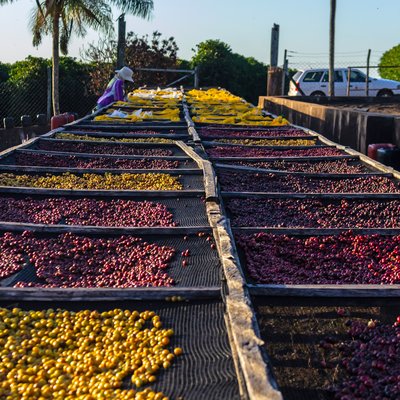
briefing “I would never go back”: forced labour risks in Brazil’s coffee supply chains
KnowTheChain partnered with Articulation of Rural Employees of the State of Minas Gerais (ADERE-MG) to investigate working conditions on Brazilian coffee plantations. Ten of the 11 ILO forced labour indicators were reported across at least nine plantations.
Read more -
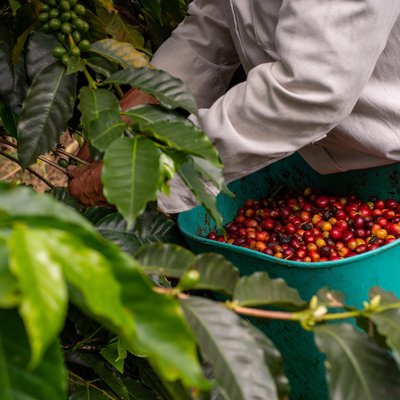
briefing 2026 KnowTheChain food and beverage benchmark
KnowTheChain's benchmark of 45 major food and beverage companies exposes an industry woefully ill-equipped for the rapidly intensifying human, legal, regulatory and financial consequences of forced labour in global supply chains.
Read more -

briefing Hidden risk is the most expensive: What investors need to know about high-risk surveillance technology
Surveillance technologies such as spyware, digital forensics tools, cell site simulators, and deep packet inspection systems are often marketed as “must-have” tools to combat crime or terrorism. These technologies sit at the intersection of security, innovation, and rising government demand, making them appear to be attractive investment opportunities. Yet for investors, this sector carries severe, under-recognised risks.
Read more -
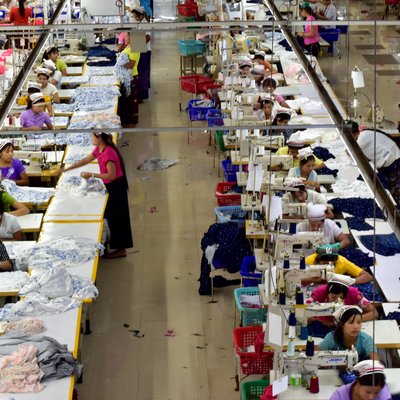
briefing Shrinking civic space, rising exploitation: How global fashion brands failed Myanmar’s garment workers under military rule
From February 2021 to October 2024, the Business and Human Rights Centre tracked 665 allegations of garment worker abuse in Myanmar. These findings reveal systemic, escalating and interconnected abuses across the sector – including forced and excessive overtime, unsafe working conditions, wage deductions, gender-based harassment and retaliation against union members and worker representatives – since the military coup.
Read more -
briefing Business and human rights in the United States: Four key trends in 2025
This is a pivotal moment for US business. In a context of shifting political and regulatory landscapes, companies’ core human rights policies and commitments remain largely unchanged – but their responses to changing policies, regulations and rhetoric in the US paint a more alarming picture.
Read more -
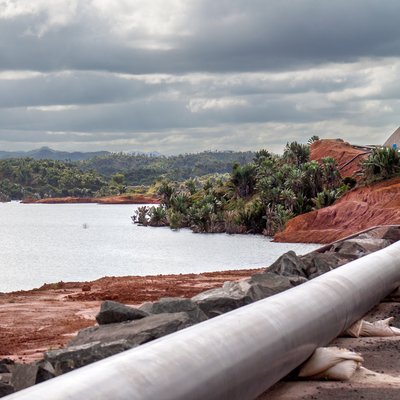
briefing Strategic projects for whom? Challenges and local realities of the European Union's strategic mineral projects
The European Commission approved 60 "strategic" mineral extraction, processing, recycling and substitution projects in 2025 under the mandate of the Critical Raw Materials Act. We examined the human rights policies and practices of the companies behind the 13 projects located outside EU borders.
Read more -
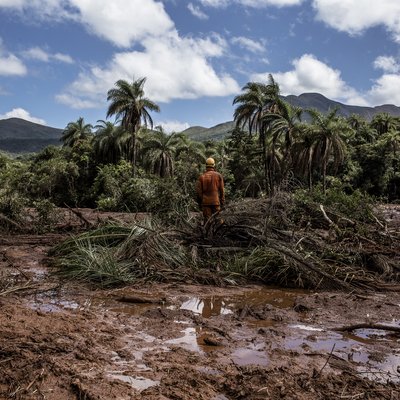
briefing Transition minerals, old inequalities in Brazil: Mining, justice and the climate agenda at COP30
Brazil is at a crossroads as it seeks to solidify its climate leadership at COP30. For the country to truly assert legitimate climate leadership, it needs to ensure that COP discussions centre human rights, environmental justice, and a commitment to fully remedy historical injustices and harms. Joint briefing by Instituto Cordilheira and BHRRC.
Read more -
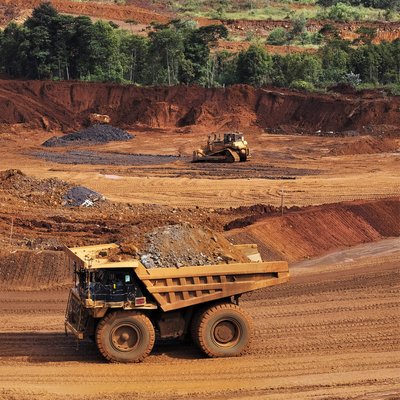
briefing Transition Minerals Tracker 2025: Asia and the Pacific
Since 2010, the Transition Minerals Tracker has recorded 835 allegations of human rights and environmental abuse linked to the extraction of key minerals needed to power the global energy transition. In the Asia-Pacific region, notable cases of abuse have arisen over the last 14 years. As the world races to meet ambitious climate goals, they are looking to mineral-rich countries in Asia-Pacific to provide the elements needed to power a “fast” transition to renewable energy.
Read more -

briefing Transition Minerals Tracker 2025: Africa
Since 2010, the Transition Minerals Tracker has been recording allegations of human rights and environmental abuse linked to the extraction of key minerals needed to power the global energy transition. Nearly 200 allegations were linked to the mining of transition minerals in Africa, accounting for more than 20 per cent of all abuse allegations globally.
Read more -
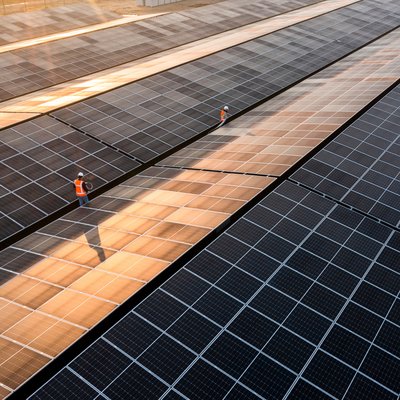
briefing “We were treated as if we were machines”: Migrant workers powering Saudi Arabia’s energy transition
Testimony from 34 migrant workers employed on nine renewable energy projects in Saudi Arabia reveals a litany of alleged human rights abuses. This briefing analyses the public human rights commitments of 16 companies linked to these projects and sets out recommendations for the sector.
Read more