
2026 KnowTheChain food and beverage benchmark
Shutterstock (licensed)
With nearly 1.3 billion people working in agrifood systems globally, the food and beverage industry remains the largest worldwide, providing crucial livelihoods and building supply chains vital for global development. In short, the bedrock of a just transition and sustainable food systems. At the same time, agrifood value chains are major carbon emitters and deeply vulnerable to supply chain shocks including the climate crisis itself, conflict and trade upheaval. Sustainable systems change for the industry could substantially improve millions of lives with safe, secure and dignified work, but extractive models continue to perpetuate ecological and social harm.
The latest KnowTheChain analysis of the world’s largest food and beverage companies reveals an industry dangerously unprepared to confront climate-exacerbated forced labour risks across its supply chains - falling woefully short in delivering a just transition. The 2026 food and beverage benchmark finds that companies scored an average of just 15 out of 100 for efforts to prevent and address forced labour – a decline since the last assessment and a stark warning sign for workers, regulators and investors alike.
Across the board, companies are neglecting the most critical elements of human rights due diligence: worker-centric monitoring, meaningful remedy, responsible purchasing practices and genuine engagement with affected rights holders. Only one in five companies disclosed any example of direct engagement with workers, their legitimate representatives such as trade unions or other civil society labour rights groups. This systemic disengagement not only leaves workers dangerously unprotected, but also exposes companies to enforcement actions, import bans, litigation and escalating reputational damage.
Key sourcing context: coffee sourcing from Brazil
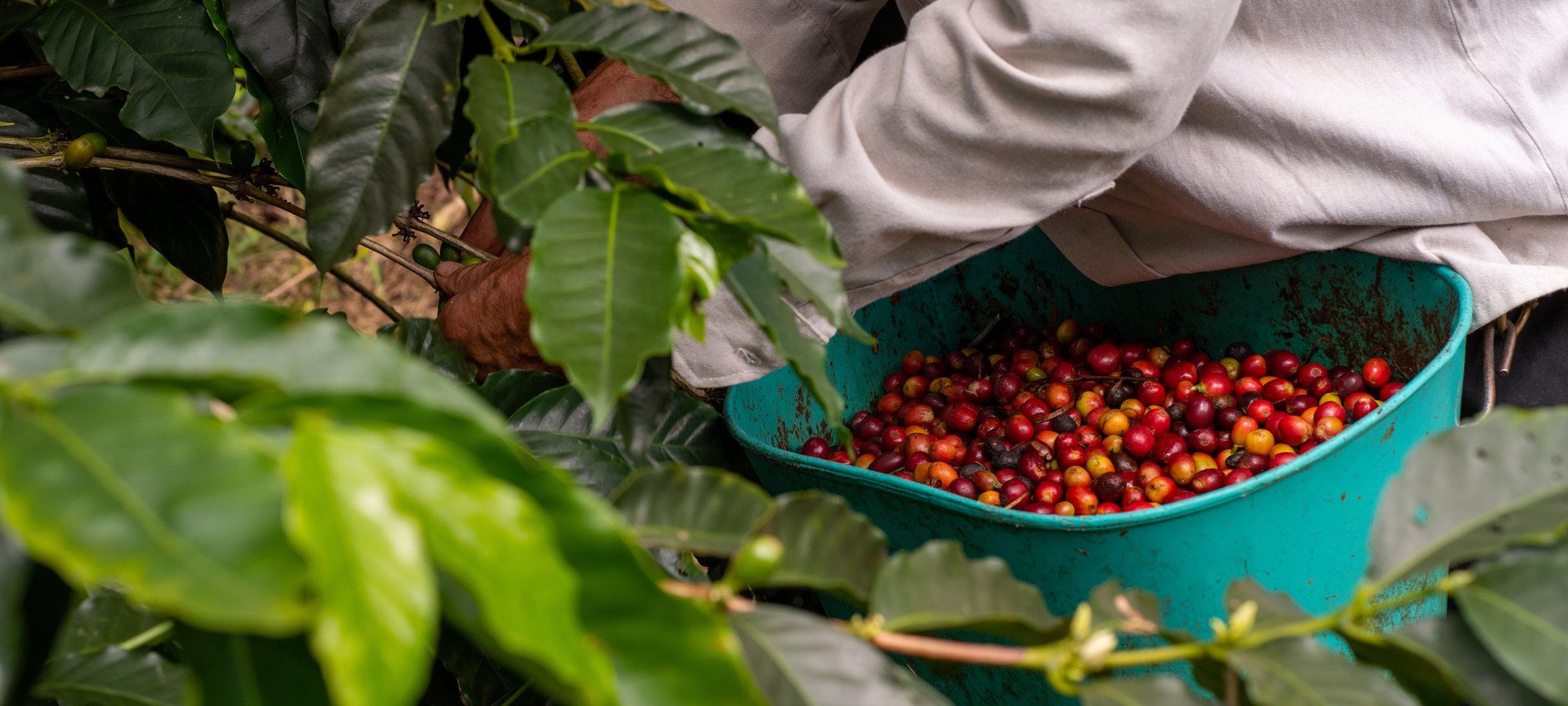
To understand how corporate failures translate into real-world harm, KnowTheChain partnered with Articulation of Rural Employees of the State of Minas Gerais (ADERE-MG) to investigate conditions on Brazilian coffee plantations. Indicators of forced labour were found in every interview conducted. Workers described abusive recruitment practices, degrading living conditions and a near total lack of transparency about who buys the coffee they harvest – making remedy virtually impossible. While some plantations were sanctioned by Brazilian labour authorities during the 2025 harvest, many more instances of forced labour and exploitation go undetected and unremedied owing to a lack of enforcement resources and brand inaction.
Results from the ADERE-MG study inform the benchmark report below; to read the full case study report, see here.
"I would never go back"
Forced labour risks in Brazil's coffee supply chains
Key findings include
15/100: average overall score across food and beverage companies’ efforts to address forced labour in supply chains:
- 47% of companies scored under 10/100 across themes;
- Only two companies – Australian retailers Coles and Woolworths – scored above 50%.
Previously best-scoring industry leaders maintained their position at the top of the benchmark:
- Woolworths led the benchmark in both 2023 and 2026;
- The same six companies – Coles, Hershey, Smucker, Tesco, Unilever, Woolworths – jostled for position at the top for the second cycle running;
- Mondelēz and Costco rose significantly from their 2023 rankings to reach the top 10.
Efforts that would address systemic drivers of worker vulnerability and exploitation in practice scored very poorly:
- Monitoring conditions for supply chain workers in practice (7/100);
- Enabling workers’ rights through fostering freedom of association (6/100);
- Implementing remedy processes and remediation in response to reported risks (5/100);
- Fostering responsible purchasing practices (3/100).
Across all benchmark themes, only 24% of companies disclosed any engagement with affected rights holders or their representatives to address forced labour risks.
Companies headquartered in jurisdictions with mandatory due diligence and disclosure requirements on forced labour, and import bans, benchmarked higher than those that were not:
- Companies headquartered in Australia (56/100), Europe (19/100) and USA/Canada (15/100) far outperformed companies headquartered in Latin America (4/100) and Asia (7/100).
Find out more
Explore the benchmark
Take a closer look at company scores and explore all our resources from KnowTheChain
Compare companies
View food and beverage companies' performance against their peers across the seven benchmark themes
Company engagement
Explore all disclosures by food and beverage companies