913 results
-
Behind the factory walls: accountability failures in the global textile industry
Until meaningful accountability mechanisms are consistently enforced across supply chains, workers and communities will continue to bear the human and environmental costs of the industry's growth.
View Post -
All doors closed? Communities affected by agroindustry turn to a binding treaty in struggle for justice
Rural, Indigenous and peasant communities in Latin America have long struggled to hold transnational corporations accountable for harms resulting from the use of pesticides, facing significant barriers to access justice. The obstacles are both factual and legal: obtaining concrete evidence of the commercial brands of pesticides used in specific locations is difficult; establishing a direct causal link between the products sold by these companies and the harm suffered by victims is extremely challenging; and regulatory frameworks on corporate accountability are lacking or inadequate. As a result, those affected often remain without access to effective remedies and full reparations, when still facing serious impacts on their rights and lands.
View Post -

Unsplash
A global moratorium is the only path to avoid AI apocalypse
It's time for urgent and decisive action by the public, governments and investors to institute a moratorium on advanced and autonomous AI systems models, until binding safeguards are in place.
View Post -
From invisibility to protection: ILO adopts landmark protections for platform workers
The newly-adopted ILO Convention 193 on decent work in the platform economy does more than create a new international labour standard: it responds to a transformation of the world of work which has been unfolding for more than a decade.
View Post -
UniCredit is (mostly) leaving Russia – but will it leave behind its contributions to Putin’s war economy?
With a partial sale on the horizon, UniCredit is set to substantially reduce its presence in Russia. But in light of the ongoing war on Ukraine, the bank must clarify how it intends to make a full exit.
View Post -
Replaying past mistakes: US companies’ silent retreat from human rights echoes the Macondo disaster
US companies' retreat from human rights commitments and shift to legal compliance reflect a failure to address the governance problem the UNGPs were designed to solve, writes John Sherman
View Post -
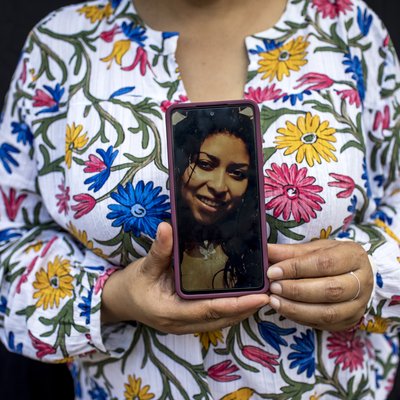
Photo: Simone Dalmasso
Justice against the odds: the role of a binding treaty
For 15 years the Xinka people have peacefully resisted the imposition of the Escobal Mine. Their struggle exemplifies the obstacles to accessing justice for victims of transnational corporate human rights abuses and highlights the importance of a progressive UN Binding Treaty.
View Post -
More than a lens: achieving a gender-centric Binding Treaty on Business and Human Rights
Busisiwe Kamolane-Kgadima on the need for a truly gender-centred Treaty to hold corporations accountable.
View Post