The 12th session of the UN open-ended intergovernmental working group on transnational corporations and other business enterprises with respect to human rights (IGWG) to discuss the binding treaty takes place from 12 to 16 October 2026. Explore our resources below and subscribe to our LinkedIn newsletter for the latest updates.
12th session of the IGWG
Find the latest updates and documents about the 12th session on this page.
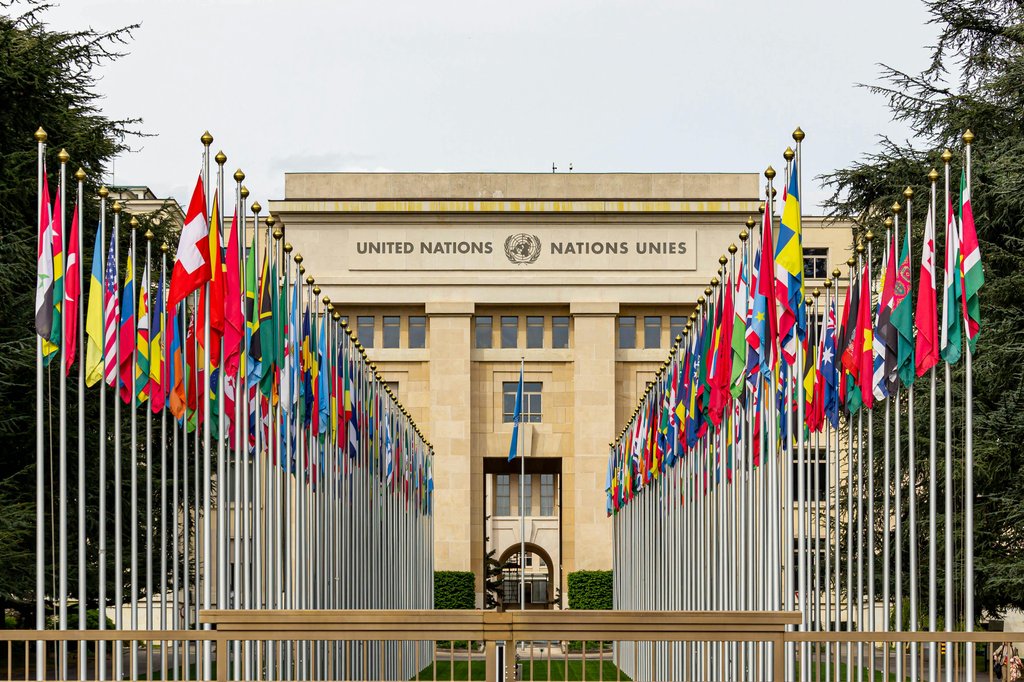
Shutterstock (licensed)
Binding treaty 2026: Analysis and insights
Read experts' reflections on the treaty process ahead of the 12th session of the IGWG in October 2026.
Binding treaty: a brief overview
2026: The 12th session of the IGWG takes place from 12 to 16 October 2026 in Geneva.
The session was scheduled to take place on 19-23 October 2026, but a change of dates was announced in July 2026.
The revised programme of work is available here. The summary report on the 2026 intersessional thematic consultations that will be discussed at the session is available here, in addition to the Chair-Rapporteur suggested redrafting of selected provisions of the updated draft legally binding instrument.
Ahead of the session, and in accordance with the 2026 roadmap issued by the Chair-Rapporteur, the following intersessional thematic consultations have taken place:
- 1st thematic consultation: 7-8 April, focusing on Articles 12 to 24. See non-paper on those articles here.
- 2nd thematic consultation: 9-10 April, focusing on Articles 1 (Definitions), 2 (Statement of Purpose) and 3 (Scope). See non-paper on those articles here.
- 3rd thematic consultation: 28-29 May, focusing on Article 1 (Definitions), Preamble and a general overview of the text and the way forward. See non paper on Article 1 here.
The latest information on the session, as well as on the intersessional thematic consultations to take place before, is available at the OHCHR's dedicated page.
See our dedicated page for more information on the session.
2025: The 11th session of the IGWG took place on 20-24 October in Geneva.
The revised programme of work and methodology for the 11th session is available here.
Early in 2025, the Chair issued an updated 2025 roadmap that includes dates of intersessional thematic consultations in:
- April on Article 4 (Rights of victims), Article 5 (Protection of victims), and Article 7 (Access to remedy). Non-paper for this session available here.
- June on Article 6 (Prevention), Article 8 (Legal liability), Article 9 (Jurisdiction), Article 11 (Applicable law), and subject to time, Article 10 (Statute of limitations). Non-papers for this session are available here (Articles 6 and 8) and here (Articles 9, 10 and 11).
The summary report on the intersessional thematic consultations is here. As an annex to the report, he also shared suggestions to redraft selected provisions (Articles 4 to 11) of the updated draft legally binding instrument.
See our dedicated page for more information on the session.
2024: The 10th session of the IGWG took place on 16-20 December in Geneva.
In July, the list of selected legal experts for the IGWG was released.
At the 56th session of the UN Human Rights Council, in July 2024, decision 56/116 was adopted and enhances the support capabilities of the IGWG, including through funding for inter-sessional consultations.
See our dedicated page for more information on the session.
2023: Between April and June, some intersessional consultations were held among states. A compilation of the outcomes of the friends of the Chair intersessional consultations is available. A compilation of written contributions received in March 2023 after a call for inputs is available here.
An updated draft was published in July 2023.
The IGWG 9th session took place on 23-27 October in Geneva. See our dedicated page for all the latest news.
2022: The 8th session of the IGWG took place on 24-28 October 2022. The Third Revised Draft and the concrete textual proposals submitted by States during the 7th session served as the basis for the discussions at the IGWG meeting. The Chair-Rapporteur has also shared suggested proposals for amendments to several articles to facilitate the discussion.
In November 2022, the Chair announced the release of the commentary on the informal proposals delivered at the 8th session (available in Spanish here), and a table that shows where elements of the third revised draft can be found in the informal proposals.
2021: The Third Revised Draft was published in August. The 7th session of the IGWG took place from 25 to 29 October 2021.
Unofficial summary of the Third revised Draft available here
Unoffical translation in Spanish available here and here in Portuguese
Unofficial comparison of Third and Second revised drafts available here
2020: The Second Revised Draft was published in August (an unofficial summary is available here). The 6th session of the IGWG was held from 26 to 30 October 2020. See commentaries and other news on the Second Revised Draft here.
2019: The Revised Draft was published in July (an unofficial summary is available here, as well as an unofficial Spanish translation). In October, stakeholders provided input on content at the fifth session of the IGWG.
2018: In July, the IGWG presented the Zero Draft, followed by its draft Optional Protocol (an unofficial summary of the Zero Draft is available here). Stakeholders provided input on the Zero Draft during the fourth session of the IGWG in October 2018.
2017: The Chair issued Elements for the draft legally binding instrument.
2014: In June, the UN Human Rights Council in Geneva adopted a resolution drafted by Ecuador and South Africa. An open-ended intergovernmental working group (IGWG), chaired by Ecuador, was established with the mandate to elaborate an international legally binding instrument on Transnational Corporations and Other Business Enterprises with respect to human rights.
Current and previous drafts
Read expert commentaries on the various drafts of the treaty in our "Debate the Treaty" blog series.
Debate the Treaty blog series
This series by the Business and Human Rights Centre explores the content and scope of the proposed binding treaty and analyses previous drafts. Explore our guest blog posts on the Binding Treaty to learn more from thought leaders across the field.
Business & Human Rights Resource Centre
Binding treaty 2026: analysis and insights
Ahead of the 12th session of the IGWG in October 2026, experts reflect the treaty process and on articles discussed at the thematic intersessional consultations in April and June.
Shutterstock (licensed)
Binding treaty 2025: essential discussions and perspectives
Read experts' reflections on articles of the treaty discussed at the thematic intersessional consultations in April, June and August, and steps to take for concrete progress in the treaty process ahead of the 11th session of the IGWG in October 2025.
Mamunur Rashid via Shutterstock (licensed)
10 years on: walking the talk for a powerful binding treaty
Business and human rights experts share their reflections on the treaty process for the last 10 years and the key points to address as it moves forward.
Building momentum: critical considerations in the Binding Treaty 2023 negotiations
Experts from various backgrounds and regions share their insights on this latest draft and the process to date of agreeing a proposed binding treaty.
Taking stock: reflections on the progress of the UN Binding Treaty (2022)
Reflections of experts from civil society organisations, academia and governments on the treaty process four years since the publication of the zero draft. This series seeks to elevate voices from the ground to ensure they are included in in the treaty debate.
Reflections on the revised draft Treaty (2019)
Thought leaders across the field provide their views on questions such as: How could the revised draft complement the Guiding Principles? Does it address the concerns of the business and human rights movement? How can the draft instrument deliver for all stakeholders? What should the content and scope of the Treaty be?
Reflections on the Zero Draft Treaty (2018)
Academics, lawyers and NGOs reflect on the opportunities and challenges presented by the Zero Draft Treaty.
Drafting the treaty: elements and process (2015-2017)
Academics, professionals and civil society members comment on the negotiation process and draft elements of the proposed UN binding treaty, and its implications for the corporate accountability and business and human rights movement in general
Further reading
Related Items

Day 5: Friday 16 October
In the final meeting of the OEIGWG, the report on the 12th session was adopted …
Part of "12th session of the UN Intergovernmental Working Group elaborating a legally binding instrument on business and human rights (12-16 Oct 2026)" Story


Pexels