5 results
-
All doors closed? Communities affected by agroindustry turn to a binding treaty in struggle for justice
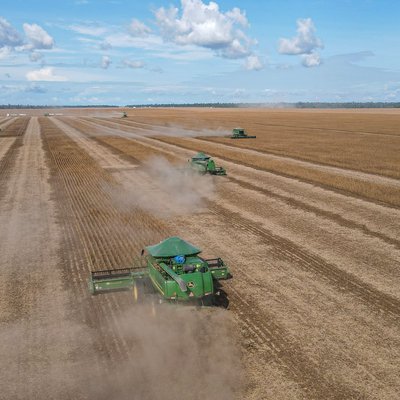
Rural, Indigenous and peasant communities in Latin America have long struggled to hold transnational corporations accountable for harms resulting from the use of pesticides, facing significant barriers to access justice. The obstacles are both factual and legal: obtaining concrete evidence of the commercial brands of pesticides used in specific locations is difficult; establishing a direct causal link between the products sold by these companies and the harm suffered by victims is extremely challenging; and regulatory frameworks on corporate accountability are lacking or inadequate. As a result, those affected often remain without access to effective remedies and full reparations, when still facing serious impacts on their rights and lands.
View Post -
Photo: Simone Dalmasso
Justice against the odds: the role of a binding treaty
For 15 years the Xinka people have peacefully resisted the imposition of the Escobal Mine. Their struggle exemplifies the obstacles to accessing justice for victims of transnational corporate human rights abuses and highlights the importance of a progressive UN Binding Treaty.
View Post -
More than a lens: achieving a gender-centric Binding Treaty on Business and Human Rights
Busisiwe Kamolane-Kgadima on the need for a truly gender-centred Treaty to hold corporations accountable.
View Post -

Friends of the Earth International
Shaping the rules: corporate influence and the future of the UN binding treaty
Dr. Andressa Oliveira Soares and Letícia Paranhos look at how the presence of corporate actors intersects with efforts to build a stronger global accountability framework.
View Post -
Beyond the CSDDD saga: why the business and human rights treaty negotiation matters more than ever
With the CSDDD now finalised, the BHR treaty negotiation is a chance to reclaim purpose in business and human rights law-making, writes Nadia Bernaz
View Post