Critical minerals, critical rights: The energy transition must change course in the DRC
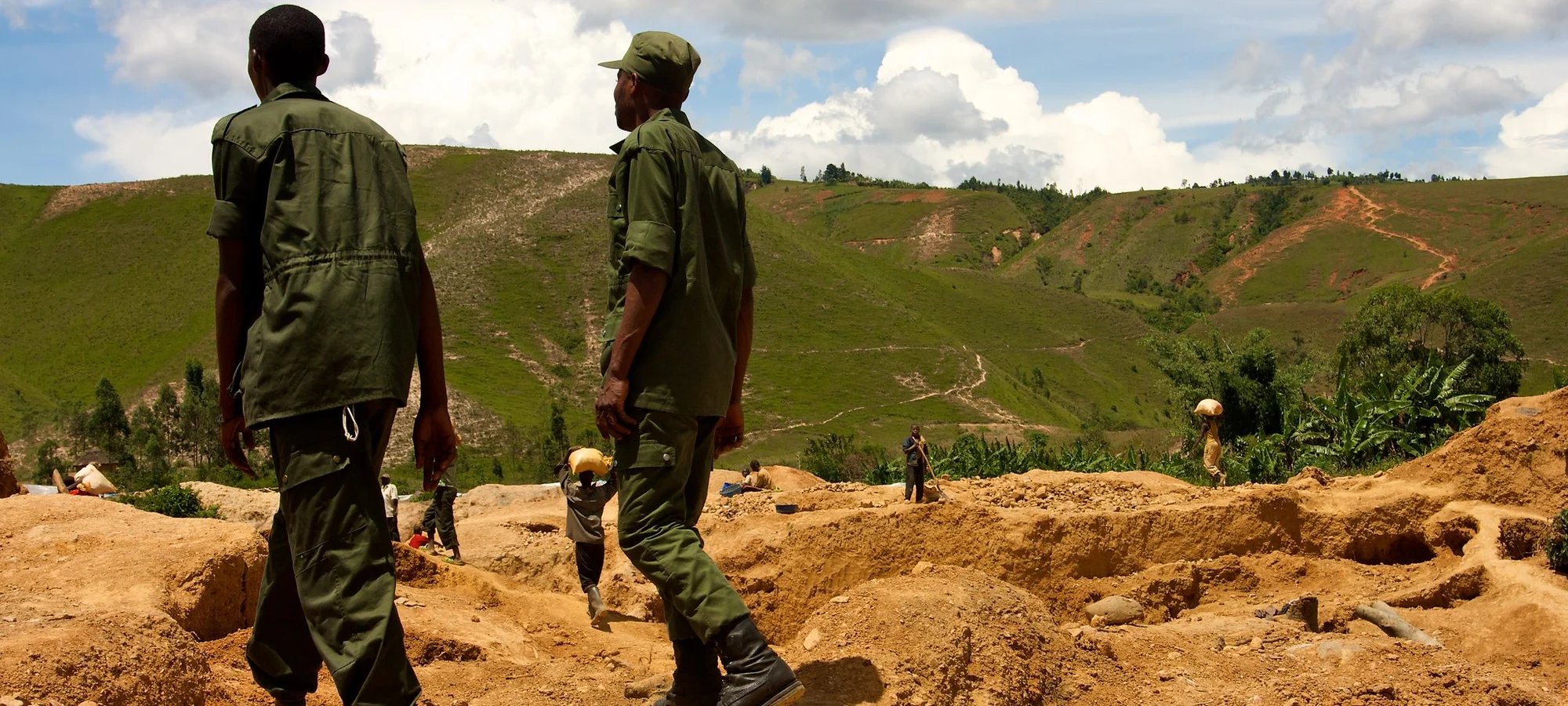
The global energy transition is often framed as a moral imperative. Yet, this very same transition is increasingly being linked to patterns of labour exploitation, environmental harm, and community displacement – risking a transition that is rooted in human rights abuses and deepening inequality.
The Democratic Republic of Congo (DRC) is an important strategic player in this energy transition, given its richness in cobalt, lithium and copper – minerals essential for electric vehicles and renewable energy storage. Despite several frameworks put in place to promote the responsible mineral sourcing, such as the revised mining code that has environmental and social safeguards, civil society organisations have continued to record cases of human rights abuse. In 2024 alone, the Business and Human Rights Centre’s (the Centre) Transition Minerals Trackerdocumented 45 allegations of abuse linked to the mining of critical minerals in Africa – with cobalt and copper mines in the DRC accounting for nearly half of this. Abuses included poor working conditions, child labour, attacks on human rights defenders and environmental degradation, all of which have been exacerbated by conflicts in many areas of mineral extraction. While this pattern is also reflected in other African countries, the DRC accounts for the highest number in the Transition Minerals Tracker.
For the people of the DRC, the question is not whether the world needs cobalt and copper, but rather whether the global race for these minerals will translate into dignity, rights and shared prosperity — or simply repeat a familiar story of extraction without accountability.
Three interconnected human rights concerns stand out in the country.
First, there have been several reports on risks of exploitative labour practices, including alleged child labour. In 2023, the Centre approached six companies mentioned in a report that claimed there are significant forced labour risks in cobalt mines and asked them to respond to the allegations. Only two responded. CMOC stated that its DRC-based Tenke Fungurume Mining has a ‘mature management system to prevent and mitigate human rights risks, including child labour and forced labour’. In its response, Metalkol, responding on behalf of ERG termed the allegations as ‘unfounded and false’. In addition, a report by RAID and Centre d’Aide Juridico-Judiciaire analysed interviews with 30 workers across six major cobalt and copper mining operations in DRC and alleged widespread exploitation. Concerns included excessive working hours, weak safety protections, union suppression and limited access to grievance mechanisms. The report included responses from the parent companies of those mentioned in the report. While the companies emphasised compliance monitoring and social investments, they consistently denied or downplayed any link between their operations and the water pollution, health harms and broader social-economic challenges in nearby communities. The paradox is striking: minerals central to the world’s decarbonisation ambitions are often extracted under conditions that undermine the dignity and safety of the workers who produce them.
There have also been claims of toxic pollution linked to industrial cobalt mining in the Kolwezi region, at the heart of the country’s copper-cobalt belt. Communities living near mining sites have reported contaminated water sources, degraded soil and air pollution from processing facilities. In November 2025, a containment dam operated by Congo Dongfang International Mining (CDM) failed, releasing toxic water into multiple neighbourhoods in Lubumbashi, flooding hundreds of homes, contaminating well water and causing fish deaths – ultimately prompting residents to flee. When parent company Zhejiang Huayou Cobalt Co., Ltd was asked to respond to the allegations, it did not. There have also been claims that mining pollution may be linked to reproductive health complications among women living near cobalt mining operations, including higher rates of miscarriages and birth defects. Zijin Mining stated it was not aware of the complaints linked to the operations of its subsidiary. Such reports reveal how the environmental costs of extraction are often borne almost entirely by local communities – and challenge the narrative that minerals used in clean technologies are inherently “green”.
Finally, the human rights risks linked to the mineral boom extend beyond the mines. As demand for cobalt and copper grows, governments and companies are investing heavily in large-scale infrastructure projects to move minerals from inland mining regions to global markets. While often framed as essential for economic development, these projects, such as the Lobito Corridor, carry significant human rights risks – triggering displacement, loss of land and disruption of livelihoods. A recent report by Global Witness estimated that thousands of people in the DRC could face eviction from the Lobito Corridor railway. When companies named in the report were asked about the human rights due diligence they will take to ensure their activities do not exacerbate forced evictions and the expropriation of the most vulnerable communities in the DRC, Trafigura and the Lobito Atlantic Railway (LAR) responded, and Ivanhoe Mines and Chemaf did not. Trafigura stated it does not control the railway directly, while LAR said any land issues would be handled according to national laws and applicable standards.
Ultimately, many communities in mineral-rich areas see little improvement in their living standards despite the enormous wealth generated by mineral exports. So, who benefits from the mineral wealth of the DRC?
Too often, the benefits flow outward while the social and environmental costs remain local. The growing geopolitical importance of transition minerals is reshaping the politics of the region – and mineral supply chains illustrate this dynamic. Strategic partnerships and diplomatic engagement in the Great Lakes region increasingly reflect the growing importance of securing stable access to cobalt and copper for global supply chains. According to the Oakland Institute, the recent DRC-Rwanda peace deal is less about ending conflict and more about securing critical minerals for western companies and investors. The report warns that the deal risks exacerbating the current inequality. Out of the companies mentioned in the policy brief, KoBold Melals, Glencore, Invahoe Mines and Rio Tinto, while America First Gobal, Orion Resources, Tesla and Alphamin Resources did not. The geopolitics of peace, security and mineral access are becoming deeply intertwined. But for communities living in mineral-rich regions of the DRC, these high-level negotiations risk a familiar pattern: decisions about resources being made far from the communities most affected by their extraction.
The global race for cobalt, copper, lithium and other strategic minerals increasingly resembles a new scramble for Africa, only this time it is justified by the green transition. Without strong governance and human rights safeguards, this race for transition minerals risks repeating a historical pattern of decisions about Africa’s resources being shaped by external demand, while communities see little benefit. Governments and international partners supporting the global energy transition must ensure mineral wealth translates into tangible improvements in the lives of the communities living where these resources are found.
Immediate steps must be taken to reverse this trend before it is too late: starting with downstream companies recognising their responsibility and using their leverage to ensure human rights are respected across supply chains. Workers must be adequately compensated and protected through living wages, stronger safety standards, and the elimination of exploitative subcontracting. Where harms take place, effective remedy mechanisms must be made available. Community rights must be placed at the heart of any mineral development through meaningful consultation, fair compensation for displacement, and genuine benefit-sharing arrangements.
Critical minerals demand a critical approach to rights. Failing that, the energy transition risks becoming a new chapter in the long history of extractive exploitation on the continent.